

Most of us never think about the attic until something feels off: Your energy bills keep creeping up, or one room stays cold no matter what you do. Maybe there’s a damp smell you can’t trace. Odds are that the problem is sitting right above your head. Poor attic insulation often hides in plain sight, quietly costing you money and comfort each day.
So, how do you know if you need more insulation in your attic? In this article, we’ll walk you through some telltale signs, discuss how much attic insulation you might need, explain what material to look for, and suggest what to do next.
Signs You May Not Have Enough Attic Insulation
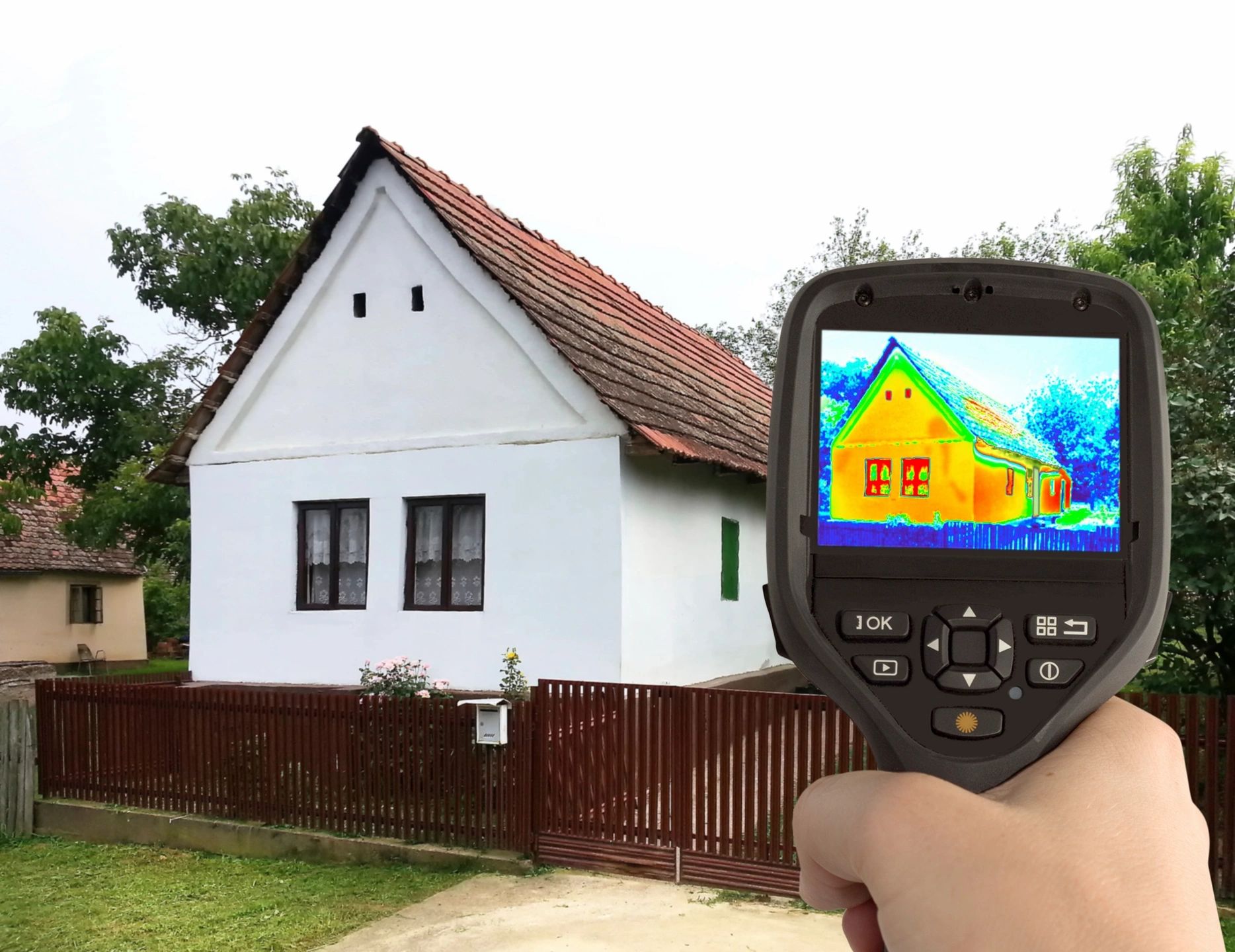
Let’s start with the signs you need more attic insulation. The most common one is a high energy bill that keeps climbing even though your habits haven’t changed. Uneven temperatures are another clue: If your upstairs rooms feel hotter in summer and colder in winter, heat is likely escaping through your ceiling. You may also notice drafts or cold spots near the ceilings.
Your heating, ventilation, and air conditioning system can tell you something, too. If it runs nonstop and still can’t reach the temperature you set, your attic may be letting conditioned air escape. In winter, ice dams along the roof edge point to heat leaking into the attic and melting snow from below. Moisture, condensation, water stains, or a musty smell in the attic are also red flags.
Curling or blistering shingles and lost granules on your roof may mean the attic is overheating. In humid climates, attic temperatures can exceed 150 degrees Fahrenheit, which speeds up potential damage.
Many houses fall short because most new home builders install only the minimum insulation required by local energy code. If your house is relatively new, it may have been underinsulated from day one. A quick visual check can help. If you can see the floor joists above your insulation, or if the insulation is less than 7 inches deep, you likely need more. For a closer look, our team at Story Basements can inspect it for you.
How To Determine How Much More Insulation You Need
Next comes the big question: How much attic insulation do I need? A few factors decide the answer. Start with R-value, which tells you how well insulation resists heat flow (the higher the number, the better). Depending on your region, the Department of Energy recommends R-30 to R-60 for attics. Most attics should reach at least R-38, which, depending on the material, is about 10 to 14 inches. Many older homes sit between R-13 and R-19, which falls short of what’s recommended today.
Your location is an important factor because colder regions need higher R-values than warmer ones. Your attic type matters, too. A finished attic, a vented attic, or an attic with tricky angles all call for different approaches. To check your current insulation depth, measure the insulation across your attic floor using a ruler. Take a few readings in different spots, since depth can vary, then compare that number to the target for your area. The gap is how much more you need.
Sealing gaps around pipes, wires, vents, and light fixtures can account for 10% to 20% of heating and cooling costs. Studies also show that 25% to 30% of heating and cooling energy loss happens through poorly insulated attics, and air leaks make it worse. Adding insulation without sealing leaks only solves half the problem. If you want help sorting it out, we offer a range of insulation services to guide you.
Benefits of Adding More Attic Insulation
The benefits of adding attic insulation go well beyond comfort. Here’s what you can expect:
- Lower bills
- Healthier HVAC system
- Better air quality
- Steadier property value
Adequate insulation can cut your heating and cooling bills by 10% to 50%. Your home will hold a steadier temperature from room to room, so those hot and cold spots will disappear.
Better insulation also allows your HVAC system to rest. Poor insulation can stretch HVAC run times from the usual 15 to 20 minutes to 30 to 40 minutes or more. That extra work can shorten the life of your system.
Insulation is designed to make moisture and humidity easier to control, protecting your attic from mold and rot and improving your home’s air quality. Proper insulation and air sealing keep dust, allergens, and odors from drifting into your living space. An energy-efficient home also tends to hold more value when it’s time to sell.
Best Types of Insulation for Your Attic
There are two options that stand out for most attics.
The first is blown-in cellulose insulation, which is made from recycled paper and treated to resist fire. It averages at R-3.6 per inch, and its density slows down airflow. It works well in retrofits because it conforms to irregular spaces. It doesn’t provide a complete air seal, so sealing gaps first is important.
The second is spray foam insulation, which expands when it’s applied, filling gaps and cracks. This makes it a strong pick for complex attic shapes. Closed-cell spray foam delivers roughly R-6 to R-7.5 per inch, working as both an air barrier and a moisture barrier in one step.
Why Hiring a Professional Is the Smart Choice
Insulating an attic might seem like a simple weekend job, but it rarely is. A poor install can trap moisture, invite mold, and leave you with weak results. Attics get hot, spaces are tight, and live wiring can be hiding under your current insulation. Even experienced crews find that spray foam adds another layer of difficulty, as it requires special equipment and certifications. Larger projects may also need permits.
Are you ready to upgrade your attic the right way? Reach out to Story Basements today, and we’ll talk through all your attic insulation needs.