
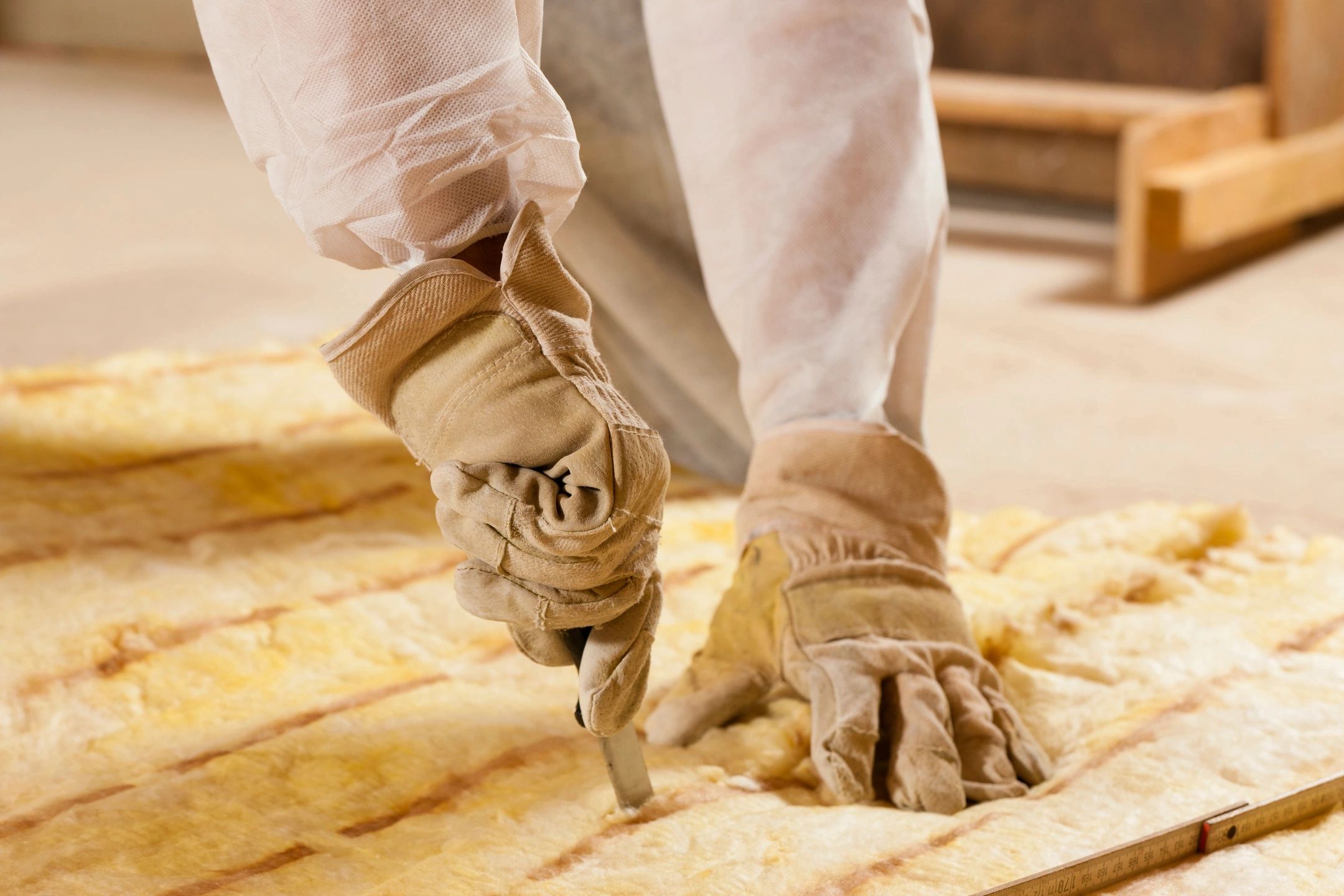
You can often install new insulation over old insulation without removing what’s already there. The key is making sure the existing material is dry, clean, and in good condition. For Northern Michigan homeowners, adding insulation can help keep indoor temperatures comfortable through long winters. Here’s how to tell when another layer makes sense.
When You Can Add New Insulation Over Existing One
Adding insulation over an existing layer can work well when the following conditions are met. These checks are especially useful for attic insulation, where the existing material is easier to access.
The Existing Insulation Is Dry and Clean
Insulation can often stay in place if it’s dry and free of mold, animal waste, and other contamination. You don’t need to replace it simply because it’s been there for years. If there’s a moisture or pest problem, it needs to be addressed before deciding which insulation can stay.
The Insulation Is Still in Good Condition
The existing layer should provide a suitable base for the new material. Fiberglass batts that haven’t been compressed and still fit properly between framing members can often stay. Clean, dry loose-fill insulation that’s settled over time may also be suitable for topping up.
There Isn’t Enough Insulation
Sometimes the existing insulation is in good shape, but there just isn’t enough of it. Adding another layer can increase its thermal resistance without removing usable material. If you can see your attic floor joists, you may need more insulation. That’s a starting point rather than a complete answer, though. The material, its depth, and its condition all help determine how much more you need.
The New and Existing Materials Can Work Together
You don’t always have to use the same type of insulation that’s already there. For example, blown-in insulation can go over suitable fiberglass batts. Unfaced fiberglass batts can also go over existing loose-fill insulation.
“Unfaced” means the batts don’t have paper or foil backing. That’s generally what’s needed for an additional attic layer because adding backing between layers can trap moisture. Spray foam insulation needs a different installation approach, so it isn’t interchangeable with adding another layer to an attic floor.
What Are the Benefits of Adding Insulation Over an Existing Layer?
Keeping usable insulation means there’s less material to remove and dispose of, which can reduce project costs and waste. The original layer continues providing insulation while the new material adds to it. If your home doesn’t have enough insulation, adding more can reduce heat loss and help rooms stay comfortable during cold winters.
What Are the Risks of Covering Existing Problems?
Before adding another layer, it’s important to check for:
- Moisture or mold: Covering damp or moldy insulation leaves the problem in place. Leaks or condensation issues need to be addressed before more insulation is added.
- Pest contamination: Droppings, nests, and damaged insulation may require removal and cleanup.
- Possible asbestos: Older, pebble-like insulation may be vermiculite, which can contain asbestos. If vermiculite is suspected, it should remain undisturbed until a trained asbestos professional assesses it.
- Incompatible layers: Paper or foil backing in the wrong place can trap moisture between layers. Compressing the original insulation can also reduce how well it works.
- Blocked ventilation: Covering soffit vents can restrict airflow in a vented attic and contribute to moisture problems.
Find Out Whether Your Existing Insulation Can Stay
Insulation contractors check the material’s condition, depth, and type, along with moisture, air leaks, and ventilation, to determine what can stay and what needs to be removed. If you’re looking for an insulation company serving Buckley, Gaylord, Cadillac, or Traverse City, contact Story Basements to learn about our insulation services.