
Expert Blown-In Insulation Contractors
Get the Best Blown-In Attic Insulation Services in Northern Michigan
To make your home more energy efficient, reduce your power bills and prevent moisture, consider blown-in insulation from Story Basements. As a North Michigan business, we understand how to prepare your home for the harsh winter weather ahead, while controlling moisture that heat can create.
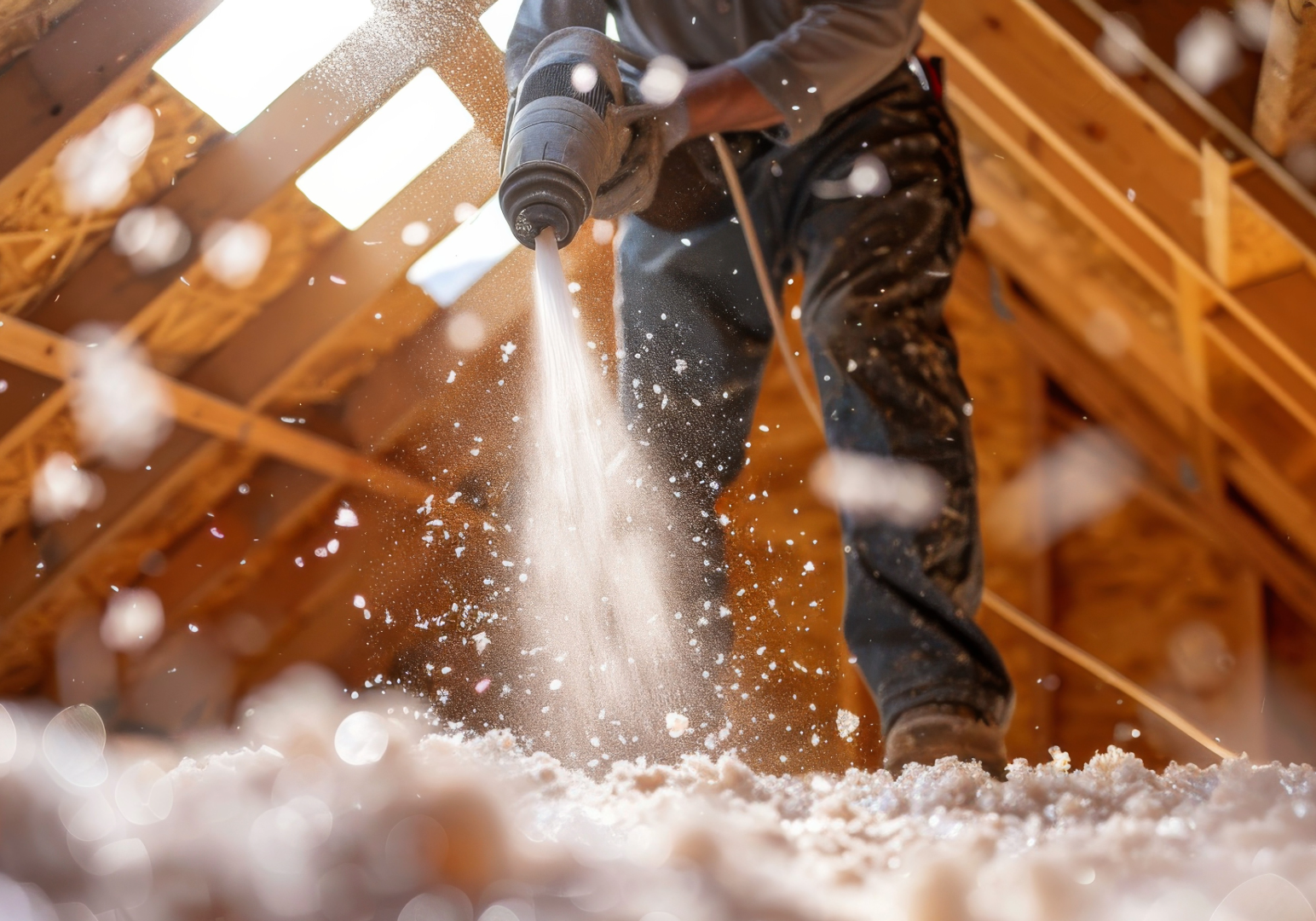
WHAT IS BLOWN-IN INSULATION AND HOW DOES IT WORK?
Blown-in insulation is an insulation technique, where loose-fill, recycled materials are mechanically blown into attics, wall cavities, and other hard-to-reach spaces to fill those gaps and irregular spaces that allow heat to escape during winter.
In turn, this sealing method creates a complete thermal barrier that traps that heat and helps improve energy efficiency by maintaining more consistent indoor temperatures and reducing strain on your heating and cooling system.
Why Choosing Blown-In Attic Insulation for Your North Michigan Home
For Northern Michigan homeowners, blown-in insulation is a cost-effective way to improve comfort, lower energy bills, and prepare for long winters. The main benefits of this type insulation include:
- Energy savings: Blown-in insulation typically reduces power bills by at least 10%.
- Superior coverage: The loose-fill material provides more complete gap-free coverage in irregular spaces than batts.
- Eco-friendly: Common blown-in insulation is made from 100% recycled materials.
- Minimal disruption: Installing blown-in insulation is fast because there is no need to remove drywall or siding.
- Suitability for Northern Michigan climate: This insulation effectively protects against local temperatures and damage from freeze-thaw cycles.
At Story Basements, we’re expert insulation contractors that thrive on helping homeowners choose the right blown in insulation solution for their home. Take a look at our work.
Cellulose Insulation vs Fiberglass Insulation: Which Is Best
The two most common types of blown-in insulation are cellulose and fiberglass. Both improve energy efficiency, but they differ in material composition, performance, and ideal applications.
Blown In Cellulose Insulation
Cellulose insulation is made primarily from recycled paper (about 80-85%) treated with borate additives for fire, mold, and pest resistance. With an R-value of approximately 3.2 to 3.8 per inch, cellulose is dense enough to settle tightly around gaps and penetrations, offering excellent thermal performance for attics and wall cavities. Many North Michigan homeowners choose cellulose because it contains a high percentage of recycled material, provides overall better sealing and is sound absorbing. However, it is more expensive than fiberglass, more flammable and susceptible to pests and water damage.
Blown In Fiberglass Insulation
Fiberglass insulation is manufactured from fine glass fibers made from recycled glass and sand. The R-value of blown-in fiberglass insulation typically ranges from 2.2 to 2.7 per inch. This means that it will require greater depth than cellulose to achieve the same insulating value. Although this might make it slightly less effective in areas with extreme weather, like North Michigan, fiberglass remains a popular option because it is cheaper, more durable, non-combustible, and effective when properly installed.
Get in touch to get more information on the best type of blown-in insulation for your home.
WHERE CAN YOU USE BLOWN-IN INSULATION
Blown-in insulation is often known as blown-in attic insulation, because most applications happen in attics, where open, horizontal joists make it easier for the solution to take place. It is also installed in:
- Existing wall cavities
- Enclosed wall assemblies during renovations
- Garage ceilings and bonus rooms
- Other hard-to-access areas where traditional batt insulation is difficult to install
Basements, crawlspaces, and rim joists can also benefit from blown-in insulation, but they often require a different insulation strategy because these areas are more vulnerable to moisture intrusion. Before insulating these spaces, Story Basements may recommend solutions such as basement waterproofing and crawlspace encapsulation to help protect long-term performance.
Signs Your Home Needs Blown In Insulation Services
Northern Michigan has many old, drafty homes that lack adequate insulation. Book a consultation with Story Basements if you notice any of these signs that your home needs more insulation:
- Ice dams: Blown-in attic insulation helps the space stay cold, so warm air can't melt snow on the roof and create these damaging structures.
- High energy bills. The EPA estimates proper insulation can help homeowners save an average of 15% on their heating and cooling bills.
- Inconsistent room temperatures. With poor wall insulation, rooms can be cold and hallways drafty.
- Cold walls and floors. If these surfaces feel cold to the touch, you may be losing heat through them.
- HVAC is constantly running. This indicates your system is struggling to keep your house at a consistent temperature.
Serving Traverse City, Buckley, and Surrounding Northern Michigan Communities
At Story Basements, we help homeowners in Traverse City, Buckley, and surrounding Northern Michigan communities make their properties more energy efficient. We've built a reputation as insulation experts who understand North Michigan's specific climate challenges through more than 50 years serving your community.
Our knowledge of local freeze-thaw cycles, lake-effect snow, and subfreezing temperatures can help us protect your property and reduce energy costs with insulation. Contact our team today to book a free insulation assessment for your home.